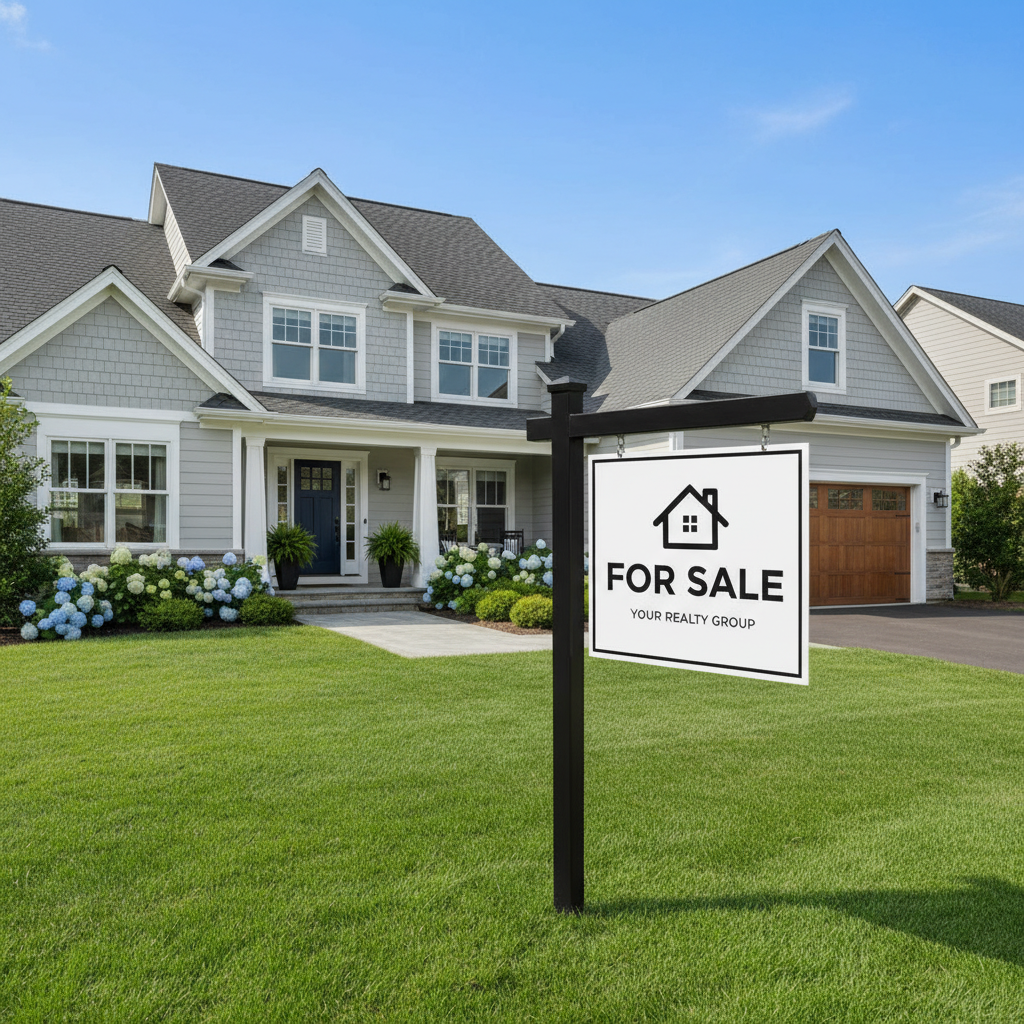
Evansville Home Buyers: Your First Home Guide

Evansville Home Buyers: Your First Home Guide
Buying your first home is a monumental step, filled with excitement and, let's be honest, a healthy dose of anxiety. If you're dreaming of owning a piece of Evansville, IN, you're in the right place!
This guide is designed specifically for first time home buyers in the Evansville area. We'll break down the process into manageable steps, offering essential home buying tips to help you navigate the Evansville real estate market with confidence. From securing mortgage pre-approval to finally holding those keys, we'll be your guide every step of the way.
1. Get Pre-Approved: Know Your Budget
Before you even start browsing listings online, getting pre-approved for a mortgage is absolutely crucial. Think of it as knowing your buying power.
Pre-approval shows sellers that you're a serious buyer and gives you a clear understanding of how much you can realistically afford. Without it, you risk falling in love with a home that's beyond your reach, leading to disappointment and wasted time.
Understanding Your Debt-to-Income Ratio (DTI)
Your debt-to-income ratio (DTI) plays a significant role in determining your pre-approval amount. DTI is calculated by dividing your total monthly debt payments by your gross monthly income.
Lenders prefer a lower DTI, as it indicates you have more disposable income and are less likely to default on your loan. Aim to keep your DTI below 43% for the best chances of approval and favorable interest rates.
Exploring Mortgage Options in Evansville
Evansville offers various mortgage options to suit different needs. Explore conventional loans, FHA loans (which often have lower down payment requirements), VA loans for eligible veterans, and USDA loans for properties in qualifying rural areas.
Shop around with different lenders in Evansville to compare interest rates, fees, and loan terms. Remember, a lower interest rate can save you thousands of dollars over the life of the loan. Local credit unions and banks often offer competitive rates and personalized service.
2. Find the Right Evansville Real Estate Agent
Navigating the Evansville real estate market is much easier with a knowledgeable and experienced agent by your side. A good real estate agent will be your advocate, guiding you through the complexities of the buying process and protecting your best interests.
They possess invaluable local expertise, understanding the nuances of different neighborhoods, market trends, and negotiation strategies.
Interviewing Potential Agents
Finding the right agent requires a bit of research and interviewing. Don't be afraid to interview several agents before making a decision.
Ask about their experience working with first time home buyers in Evansville, their knowledge of specific neighborhoods you're interested in, and their communication style. Key questions to ask include:
- "How many buyers have you represented in the past year?"
- "What is your strategy for finding homes that meet my needs?"
- "How will you handle negotiations on my behalf?"
The Role of a Buyer's Agent
A buyer's agent works exclusively for you, the buyer. Their primary responsibility is to help you find the right home at the best possible price.
They'll schedule showings, provide market analysis, negotiate offers, and guide you through the closing process. Remember, the seller typically pays the buyer's agent commission, so you're getting expert representation at no direct cost to you.
3. Explore Evansville Neighborhoods: Find Your Fit
Evansville boasts a diverse range of neighborhoods, each with its own unique character and appeal. From the historic charm of the Riverside district to the family-friendly atmosphere of the North Side, there's a neighborhood to suit every lifestyle.
Take the time to research different areas, considering factors such as school districts, proximity to amenities, commute times, and overall atmosphere.
Considering Your Lifestyle
Consider your lifestyle when choosing a neighborhood. Do you prefer the hustle and bustle of urban living, with easy access to restaurants, shops, and entertainment? Or do you crave the peace and quiet of a suburban setting, with larger yards and a sense of community?
Evansville offers both urban and suburban options, so it's important to determine what's most important to you. For example, if walkability is a priority, consider neighborhoods like Haynie's Corner or Downtown Evansville.
Getting to Know the Community
Get out and explore the community! Attend local events, visit parks, and talk to residents to get a feel for the neighborhood.
Drive around at different times of day to assess traffic patterns and noise levels. This firsthand experience will help you determine if a particular neighborhood is the right fit for you. Check out local farmers markets, festivals, and community gatherings to experience the true flavor of each area.
4. Start Your Home Search: Online and In-Person
The internet is a powerful tool for finding your dream home. Utilize online real estate portals like Zillow, Realtor.com, and Trulia to browse listings, view photos, and get a sense of market prices.
Set up alerts to be notified when new properties that meet your criteria become available. However, remember that online listings are just the starting point. Don't rely solely on online information; verify details with your agent and schedule in-person viewings.
Attending Open Houses
Attending open houses is a great way to get a feel for different properties and neighborhoods. Pay attention to the condition of the home, the layout, and the overall atmosphere.
Don't be afraid to ask questions of the listing agent. However, remember that the listing agent represents the seller, so it's important to have your own agent present to protect your interests. Look for signs of wear and tear, potential maintenance issues, and any red flags that might warrant further investigation.
Scheduling Private Showings
Work closely with your agent to schedule private showings of properties that pique your interest. Private showings allow for a more focused and personalized viewing experience.
Your agent can provide valuable insights and answer your questions about the property and the neighborhood. Be prepared to take notes and photos to help you remember the details of each home you visit.
5. Make a Competitive Offer: Strategies for Success
Understanding the dynamics of the Evansville real estate market is crucial when making an offer. Are you in a buyer's market, where there are more homes for sale than buyers? Or are you in a seller's market, where demand is high and competition is fierce?
Your agent can provide valuable insights into current market conditions and help you craft a competitive offer that stands out from the crowd.
Determining the Right Offer Price
Work closely with your agent to determine the right offer price. Consider factors such as the condition of the home, recent comparable sales in the area, and the seller's motivation.
In a competitive market, you may need to offer above the asking price to increase your chances of success. Your agent can help you assess the risk and reward of different offer strategies.
Including Contingencies
Include contingencies in your offer to protect your interests. Common contingencies include an inspection contingency (allowing you to have the home professionally inspected), an appraisal contingency (ensuring the home appraises for at least the offer price), and a financing contingency (giving you time to secure financing).
These contingencies allow you to back out of the deal without penalty if certain conditions are not met.
6. Home Inspection: Protect Your Investment
A professional home inspection is an essential step in the home buying process. It's a relatively small investment that can save you thousands of dollars in the long run by identifying potential problems before you close on the deal.
Don't skip this step, even if the home appears to be in good condition. A qualified inspector can uncover hidden issues that are not readily apparent.
What a Home Inspection Covers
A home inspection typically covers the major systems and components of the home, including the roof, foundation, electrical system, plumbing, HVAC, and appliances. The inspector will look for signs of damage, deterioration, and potential safety hazards.
They'll provide you with a detailed report outlining their findings, including any recommended repairs or further evaluations.
Negotiating After the Inspection
Based on the inspection report, you can negotiate with the seller to have them make repairs, provide a credit at closing, or reduce the purchase price. Your agent can help you navigate these negotiations and ensure that you're protected.
If the inspection reveals significant problems that you're not comfortable addressing, you may have the option to back out of the deal altogether, depending on the terms of your contract.
7. Closing the Deal: Final Steps to Homeownership
Closing is the final stage of the home buying process, where ownership of the property is officially transferred to you. It's a complex process involving legal documents, financial transactions, and various fees.
Understanding the closing process and working closely with your agent and lender will help ensure a smooth and successful closing.
Understanding Closing Costs
Closing costs and fees can add up quickly, so it's important to be prepared. These costs typically include lender fees, title insurance, recording fees, and prepaid items such as property taxes and homeowners insurance.
Your lender will provide you with a closing disclosure outlining all of the costs associated with the transaction. Review this document carefully and ask your lender any questions you may have.
The Final Walkthrough
Before closing, you'll have the opportunity to conduct a final walkthrough of the property. This is your chance to ensure that the home is in the condition you agreed upon and that any agreed-upon repairs have been completed.
Bring your agent with you and carefully inspect the property for any issues. If you find any problems, notify your agent immediately so they can address them with the seller before closing. Once you sign the closing documents, the home is officially yours!
Tip for First Time Home Buyers: Don't be afraid to ask questions! Buying a home is a complex process, and there's no such thing as a dumb question. Lean on your agent, lender, and other professionals to guide you through the process and ensure you're making informed decisions.
Congratulations on taking the first steps toward homeownership in Evansville! By following these home buying tips, you'll be well-equipped to navigate the Evansville real estate market and find the perfect home for you. Ready to get started? Contact a local Evansville IN real estate agent today to begin your journey!