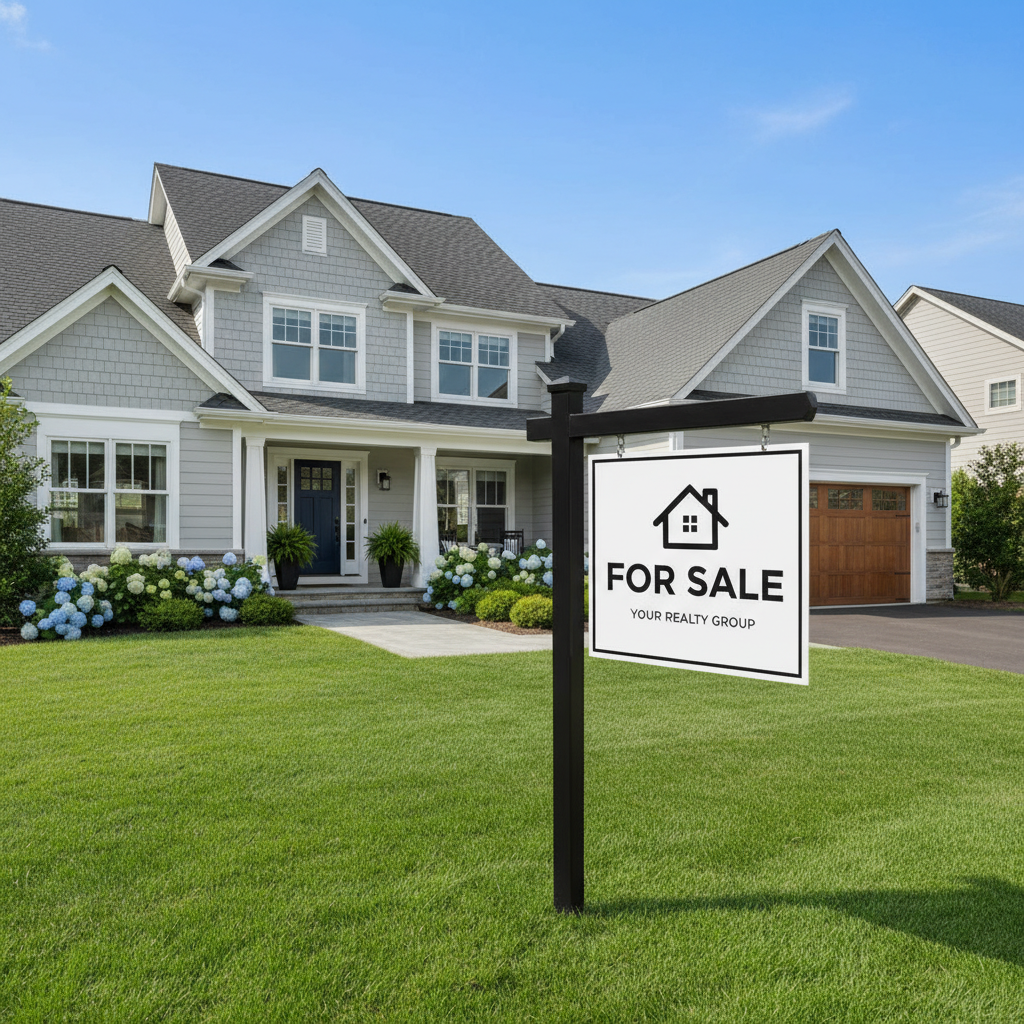
Evansville Home Buying: Your Complete Guide

1. Is Evansville Right for You? (Lifestyle & Market Overview)
Dreaming of owning a home? Evansville, Indiana, offers a unique blend of affordability, community spirit, and access to big-city amenities. But is it the right fit for you? This section explores what makes Evansville a desirable place to live and provides an overview of the current Evansville real estate market.
A. Evansville's Quality of Life: Culture, Recreation, and Cost of Living
Evansville boasts a vibrant arts and culture scene, with venues like the Victory Theatre and the Evansville Museum offering diverse entertainment options. Outdoor enthusiasts will appreciate the city's numerous parks, including the scenic Mesker Park Zoo & Botanic Garden and the expansive Burdette Park. The cost of living in Evansville is significantly lower than the national average, making it an attractive option for first-time homebuyers and those seeking a more budget-friendly lifestyle. Compared to other Indiana cities, Evansville offers a good balance between urban amenities and a relaxed pace of life.
Beyond the attractions, Evansville offers a strong sense of community. From local farmers' markets to annual festivals like the West Side Nut Club Fall Festival, there are plenty of opportunities to connect with your neighbors. The city is also home to several universities and colleges, contributing to a diverse and educated population. The affordability of Evansville home prices allows residents to enjoy a comfortable lifestyle without breaking the bank.
B. Current Evansville Real Estate Market Trends: Inventory, Prices, and Interest Rates
The Evansville real estate market, like many others, experiences fluctuations. It's important to stay informed about current trends before buying a home Evansville. Inventory levels, the number of homes available for sale, can impact competition. When inventory is low, it can be a seller's market, potentially leading to bidding wars. Keep an eye on average Evansville home prices, which can be found on real estate websites and through local real estate agents. Interest rates also play a crucial role in affordability; even small changes can significantly impact your monthly mortgage payments.
Staying informed about these market trends will empower you to make smart decisions throughout the Indiana home buying process. Consider consulting with a local real estate agent to get the most up-to-date information and expert advice tailored to your specific needs and budget. They can provide insights into current market conditions and help you navigate the complexities of buying a home in Evansville.
C. Comparing Evansville to Other Indiana Cities: Pros and Cons
Compared to larger Indiana cities like Indianapolis or Fort Wayne, Evansville offers a more affordable housing market and a smaller-town feel. While it may not have the same level of big-city amenities, Evansville provides a strong sense of community and a more relaxed pace of life. Indianapolis, for example, may offer more diverse job opportunities, but the cost of living is significantly higher.
Consider your priorities when choosing between Evansville and other Indiana cities. If affordability and a strong sense of community are important to you, Evansville may be the perfect fit. However, if you require a wider range of career options or a more bustling urban environment, other cities might be a better choice. Researching different areas and visiting in person can help you make an informed decision.
2. Defining Your Needs and Budget
Before diving into the Evansville real estate market, it's crucial to define your needs and establish a realistic budget. This will help you narrow your search and avoid getting caught up in properties that don't align with your lifestyle or financial capabilities.
A. Determining Your Must-Haves vs. Nice-to-Haves in a Home
Start by creating a list of your absolute must-haves in a home. This could include the number of bedrooms and bathrooms, desired square footage, specific location (e.g., proximity to work or schools), and essential features like a garage or fenced yard. Next, identify your nice-to-haves – features that would be great to have but aren't deal-breakers. This could include a finished basement, updated kitchen, or a large backyard. Prioritizing your needs will help you stay focused during your home search.
Consider your current and future lifestyle needs. If you plan to start a family, you'll need to consider school districts and the size of the home. If you work from home, a dedicated office space might be essential. Think about your hobbies and interests and how they might impact your housing needs. For example, if you enjoy gardening, a property with a large yard and good sunlight would be ideal.
B. Calculating Affordability: Income, Debt, and Down Payment
Determining your affordability is a critical step in the Indiana home buying process. Lenders typically consider your income, debt-to-income ratio, and credit score when assessing your ability to repay a mortgage. A general rule of thumb is that your housing costs (including mortgage payment, property taxes, and insurance) should not exceed 28% of your gross monthly income. Your debt-to-income ratio, which is the percentage of your gross monthly income that goes towards debt payments, should ideally be below 43%.
Don't forget to factor in your down payment. While some loan programs offer low or no down payment options, putting down a larger down payment can reduce your monthly payments and potentially help you qualify for a lower interest rate. Also, consider closing costs, which can include appraisal fees, title insurance, and loan origination fees. Use online mortgage calculators to estimate your monthly payments and determine how much you can comfortably afford. Consulting with a financial advisor can provide personalized guidance on your affordability.
C. Getting Pre-Approved for a Mortgage: Why It's Crucial
Getting pre-approved for a mortgage is a vital step before you start seriously searching for Evansville real estate. Pre-approval involves submitting your financial information to a lender, who will then assess your creditworthiness and determine the maximum loan amount you qualify for. This provides you with a clear understanding of your budget and demonstrates to sellers that you're a serious buyer.
Pre-approval strengthens your negotiating position when making an offer on a home. In a competitive market, sellers are more likely to accept offers from buyers who are pre-approved, as it indicates a higher likelihood of the deal closing successfully. To get pre-approved, you'll typically need to provide documentation such as proof of income, bank statements, and credit reports. Shop around for different lenders to compare interest rates and loan terms. This will help you secure the best possible mortgage for your needs.
3. Finding the Perfect Evansville Neighborhood
Evansville neighborhoods offer a diverse range of living experiences, each with its unique character and amenities. Choosing the right neighborhood is crucial to finding a home that fits your lifestyle and preferences.
A. Exploring Popular Evansville Neighborhoods: Jacobsville, Downtown, East Side, West Side, etc. (Highlighting key features of each)
Jacobsville is a historic neighborhood known for its beautiful architecture and close proximity to downtown Evansville. It offers a mix of residential and commercial properties, with a vibrant arts and culture scene. Downtown Evansville is the heart of the city, offering a variety of restaurants, entertainment venues, and cultural attractions. It's ideal for those who enjoy a lively urban environment and easy access to amenities.
The East Side is a more suburban area with a mix of residential neighborhoods and commercial centers. It's known for its good schools and family-friendly atmosphere. The West Side offers a more affordable housing market and a strong sense of community. It's home to the annual West Side Nut Club Fall Festival, a popular local event. Each neighborhood offers distinct advantages, so research is key to finding the best fit.
B. Researching Schools, Amenities, and Crime Rates
When choosing an Evansville neighborhood, consider factors such as schools, amenities, and crime rates. If you have children or plan to start a family, researching the local school district is essential. Look at test scores, student-teacher ratios, and extracurricular activities to determine if a school is a good fit for your children's needs. Amenities such as parks, shopping centers, and restaurants can also enhance your quality of life. Check crime statistics for different neighborhoods to ensure you feel safe and secure in your new home.
Online resources such as GreatSchools.org and local government websites can provide valuable information about schools, amenities, and crime rates. Talk to residents of different neighborhoods to get their insights and perspectives. Visiting potential neighborhoods at different times of day and night can give you a better feel for the area's atmosphere and safety.
C. Working with a Local Real Estate Agent: Their Expertise and Value
Navigating the Evansville real estate market can be complex, which is why working with a local real estate agent is highly recommended. A good agent will have in-depth knowledge of the local market, including current trends, property values, and neighborhood characteristics. They can help you find properties that meet your needs and budget, negotiate offers, and guide you through the entire Indiana home buying process.
An experienced real estate agent will be your advocate, representing your best interests throughout the transaction. They can provide valuable insights and advice, helping you avoid potential pitfalls and make informed decisions. Look for an agent who is knowledgeable, responsive, and has a proven track record of success in the Evansville real estate market. Ask for recommendations from friends, family, or colleagues, and interview several agents before making a decision. Your agent will be a key partner in your Evansville home buying journey.
4. The Home Search Process: From Online Listings to Showings
Once you've defined your needs, budget, and desired neighborhood, it's time to start the home search process. This involves utilizing online resources, attending open houses, and scheduling private showings to find the perfect property.
A. Utilizing Online Real Estate Portals: Zillow, Realtor.com, and Local MLS
Online real estate portals such as Zillow, Realtor.com, and local MLS (Multiple Listing Service) websites are valuable tools for finding Evansville real estate. These websites allow you to search for properties based on your specific criteria, such as location, price range, number of bedrooms and bathrooms, and square footage. You can also view photos, virtual tours, and detailed property information.
Set up alerts on these websites to receive notifications when new properties that match your criteria become available. This will help you stay ahead of the competition and be among the first to see new listings. Be sure to verify the accuracy of the information on these websites with your real estate agent, as some listings may be outdated or inaccurate. Your agent can also provide you with access to the local MLS, which often contains more up-to-date and comprehensive information than public websites.
B. Attending Open Houses and Scheduling Private Showings
Attending open houses is a great way to get a feel for different properties and neighborhoods. Open houses allow you to walk through a home at your own pace and ask questions to the listing agent. However, keep in mind that open houses can be crowded, and the listing agent represents the seller's interests. Scheduling private showings with your real estate agent allows you to view properties at a time that is convenient for you and receive personalized attention.
During showings, pay attention to the condition of the property, the layout, and the overall feel of the home. Take notes and photos to help you remember the details of each property. Don't be afraid to ask questions about the property's history, any known issues, and the surrounding neighborhood. Your real estate agent can provide valuable insights and help you evaluate the property's potential.
C. Evaluating Properties: Condition, Location, and Potential
When evaluating properties, consider factors such as condition, location, and potential. The condition of the property is a critical factor, as it can impact the cost of repairs and maintenance. Look for signs of structural issues, water damage, or pest infestations. The location of the property is also important, as it can affect your commute, access to amenities, and overall quality of life. Consider the property's proximity to schools, parks, shopping centers, and other places you frequent.
Assess the property's potential for future improvements or renovations. Could you add a bedroom or bathroom? Is there room for a garden or outdoor entertaining area? Consider the costs and benefits of making these improvements. Remember to balance your needs and wants with your budget and the property's potential return on investment. A thorough evaluation will help you make an informed decision and find a property that meets your long-term needs.
5. Making an Offer and Negotiating the Deal
Once you've found the perfect Evansville home, it's time to make an offer. This involves crafting a competitive offer, understanding common contingencies, and negotiating with the seller to reach a mutually agreeable agreement.
A. Crafting a Competitive Offer: Price, Contingencies, and Closing Date
Your offer should reflect the fair market value of the property, your budget, and your desired terms. Work with your real estate agent to determine a competitive price based on recent sales of comparable properties in the area. Your offer should also include contingencies, which are conditions that must be met for the sale to proceed. Common contingencies include financing, appraisal, and inspection contingencies. Specify your desired closing date, which is the date when ownership of the property will transfer to you.
In a competitive market, you may need to offer above the asking price to increase your chances of having your offer accepted. However, be careful not to overpay for the property. Your real estate agent can provide guidance on how to make a competitive offer without exceeding your budget. A strong offer demonstrates your seriousness and increases the likelihood of a successful negotiation.
B. Understanding Common Contingencies: Financing, Appraisal, and Inspection
Contingencies protect your interests and allow you to back out of the deal if certain conditions are not met. A financing contingency allows you to cancel the contract if you are unable to secure a mortgage. An appraisal contingency protects you if the property appraises for less than the agreed-upon purchase price. An inspection contingency allows you to have the property professionally inspected and negotiate repairs or cancel the contract if significant issues are discovered.
Understanding these contingencies is crucial to protecting your investment. Be sure to include appropriate contingencies in your offer and carefully review the terms with your real estate agent. Waiving contingencies can make your offer more attractive to the seller, but it also increases your risk. Weigh the potential benefits and risks before waiving any contingencies.
C. Negotiating with the Seller: Counteroffers and Final Agreement
The seller may respond to your offer with a counteroffer, which is a rejection of your original offer and a new offer with different terms. The counteroffer may involve a different price, closing date, or other conditions. You can accept the counteroffer, reject it, or make a counteroffer of your own. This negotiation process can continue until both parties reach a mutually agreeable agreement.
Your real estate agent will act as your negotiator, representing your best interests throughout the process. They can provide guidance on how to respond to counteroffers and help you reach a fair and reasonable agreement. Be prepared to compromise and be flexible, but don't be afraid to walk away if the terms are not acceptable to you. Once both parties have agreed to all the terms, the contract becomes binding and you are one step closer to owning your dream home in Evansville.
6. The Closing Process: From Inspection to Keys
The closing process is the final stage of buying a home in Evansville. It involves scheduling a home inspection, securing financing, completing the appraisal, and attending the final walk-through and closing day.
A. Scheduling a Home Inspection (Referencing existing article if needed, but focusing on the process within the overall buying journey)
After your offer is accepted, scheduling a home inspection is crucial. A professional home inspector will thoroughly examine the property, looking for potential issues such as structural problems, plumbing or electrical issues, and pest infestations. The inspection report will provide you with a detailed assessment of the property's condition, allowing you to make informed decisions about whether to proceed with the purchase.
Choose a qualified and experienced home inspector. Your real estate agent can provide recommendations. Attend the inspection if possible, so you can ask questions and gain a better understanding of any issues that are identified. If the inspection reveals significant problems, you can negotiate repairs with the seller, request a price reduction, or cancel the contract, depending on the terms of your inspection contingency. The home inspection is a critical step in protecting your investment and ensuring that you are buying a home Evansville that is in good condition.
B. Securing Financing and Completing the Appraisal
Once the inspection is complete, you'll need to finalize your financing. Work with your lender to provide any required documentation and ensure that your loan is approved. The lender will also order an appraisal of the property to determine its fair market value. The appraisal is important because the lender will only lend you money up to the appraised value of the property.
If the appraisal comes in lower than the agreed-upon purchase price, you may need to renegotiate the price with the seller or come up with additional funds to cover the difference. Your real estate agent can help you navigate this process. Once your financing is secured and the appraisal is complete, you're ready to move on to the final steps of the closing process.
C. Final Walk-Through and Closing Day: What to Expect
Before closing, you'll conduct a final walk-through of the property to ensure that it is in the condition agreed upon in the contract. Check that any agreed-upon repairs have been completed and that the property is vacant and clean. If you find any issues during the walk-through, notify your real estate agent immediately.
Closing day is the day when ownership of the property transfers to you. You'll meet with representatives from the title company, lender, and seller to sign the closing documents and pay the closing costs. Be sure to bring a valid photo ID and any required funds. Once the documents are signed and the funds are transferred, you'll receive the keys to your new home! Congratulations, you are now a homeowner in Evansville!
7. After the Sale: Homeownership Tips and Resources
Congratulations on buying a home in Evansville! Now that you're a homeowner, there are a few things you'll need to do to settle in and maintain your property.
A. Setting Up Utilities and Changing Your Address
Before you move in, be sure to set up utilities such as electricity, gas, water, and internet service. Contact the local utility companies to establish accounts in your name. Don't forget to change your address with the post office and update your address on your driver's license, bank accounts, and other important documents. Notify your employer, insurance companies, and other relevant organizations of your new address.
Setting up utilities and changing your address can be time-consuming, so it's best to start the process well in advance of your move-in date. This will ensure that you have essential services in place when you arrive at your new home.
B. Home Maintenance and Repair Tips for Evansville Homes (Considering local climate and common issues)
Regular home maintenance is essential to protecting your investment and preventing costly repairs. In Evansville, with its varying climate, pay special attention to seasonal maintenance tasks. Clean your gutters in the fall to prevent water damage from ice and snow. Inspect your roof for leaks and damage, especially after severe weather. Check your HVAC system regularly and schedule annual maintenance. Insulate your pipes to prevent freezing during the winter months.
Address any minor repairs promptly to prevent them from becoming major problems. Learn basic home maintenance skills or hire a qualified handyman for tasks you're not comfortable performing yourself. Consider purchasing a home warranty to protect against unexpected repair costs. Regular maintenance will help keep your home in good condition and protect its value.
C. Connecting with the Evansville Community: Local Resources and Organizations
Getting involved in the Evansville community is a great way to meet new people and feel more connected to your new home. Explore local resources such as community centers, libraries, and parks. Join local organizations or clubs that align with your interests. Attend community events and festivals to learn more about the area and meet your neighbors. Volunteer your time to support local causes.
Connecting with the community can help you feel more at home in Evansville and build lasting relationships. Evansville is a welcoming community with a strong sense of pride. By getting involved, you can contribute to the community and make a positive impact on the lives of others.
Ready to start your Evansville home buying journey? Contact a local real estate agent today to take the first step towards finding your dream home!